By Ita Williams
Fresh concerns have emerged over the rapid destruction of Cross River’s rainforest after experts revealed that the state lost about 14,000 hectares of tropical forest in 2025 alone.
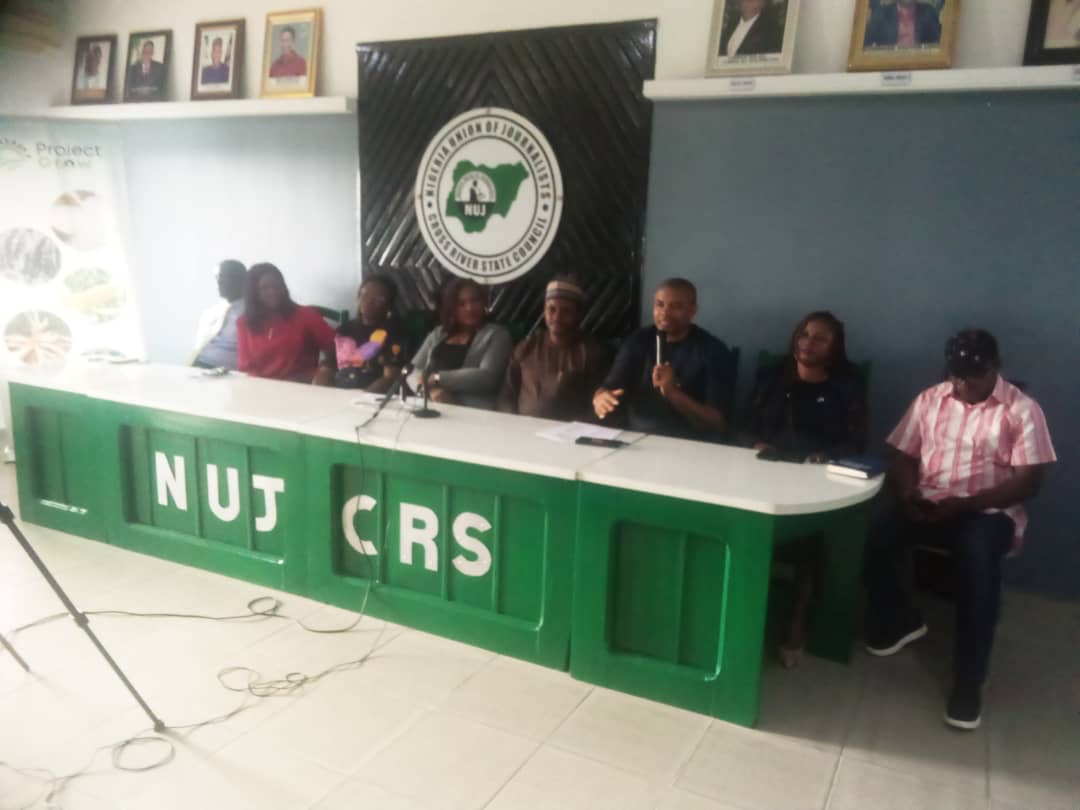
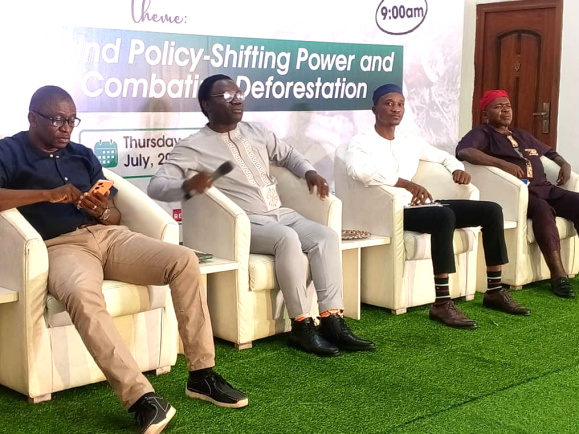
The revelation came during the Fourth Multi-Stakeholder Conference on Deforestation held in Calabar, where conservationists warned that continued forest destruction could have devastating consequences for wildlife, communities and the climate.
Conservator-General of the National Park Service, Dr. Ibrahim Goni, represented by Mr. Joseph Ntui, disclosed that the massive forest loss released an estimated eight million tonnes of carbon dioxide into the atmosphere.
He lamented the growing threat facing some of Nigeria’s rarest wildlife.
“The Cross River forest is fast disappearing and as habitats vanish, endangered species including the Cross River gorilla, Nigeria-Cameroon chimpanzee, forest elephant and pangolins become increasingly vulnerable,” he said.
Despite the challenges, Goni said the National Park Service had intensified surveillance through 250 armed rangers supported by technology, scientific research and community partnerships.
He disclosed that more than 80 suspected illegal loggers, miners and encroachers had been arrested between January and July 2026, with most already facing prosecution.
“The park will sustain collaboration with communities and conservation partners; we are not resting on our oars. Conservation education and regular patrols remain central to protecting these forests,” he assured.
Conference organiser and Executive Director of We the People, Mr. Ken Henshaw, said the annual gathering began in 2022 because previous campaigns failed to halt deforestation across the state.
He blamed illegal logging, mining, weak law enforcement, plantations and road construction for the worsening environmental crisis.
Henshaw announced that stakeholders had drafted recommendations to amend the Cross River Forestry Law 2010 to make it more effective against emerging environmental threats.
“We examined gaps in the law and developed consensus-based recommendations for its reform after months of consultations involving communities, lawyers, conservationists and other stakeholders,” he explained.
He also disclosed that four forest communities had pledged to stop deforestation, while a Forest Response Network now operates in at least 20 communities across the state.
Also speaking, Executive Director of Padic Africa, Dr. Martins Egot, unveiled recommendations for strengthening forestry laws, as facilitators from Ghana and Plateau State recounted how illegal mining devastated their communities.
Henshaw urged government, communities and development partners to unite in protecting the remaining rainforest, warning that stronger laws and collective action are the only hope for preserving one of Nigeria’s most valuable natural ecosystems