By Sunday Anthony, Uyo
After 18 years of communal hostilities that claimed lives, destroyed homes and forced residents to flee their ancestral communities, the Amazaaba Group of Communities in Eastern Obolo Local Government Area and Ikot Akpanudo Community in Ikot Abasi Local Government Area have declared an end to their longstanding land dispute, pledging to embrace peace and work together for development.
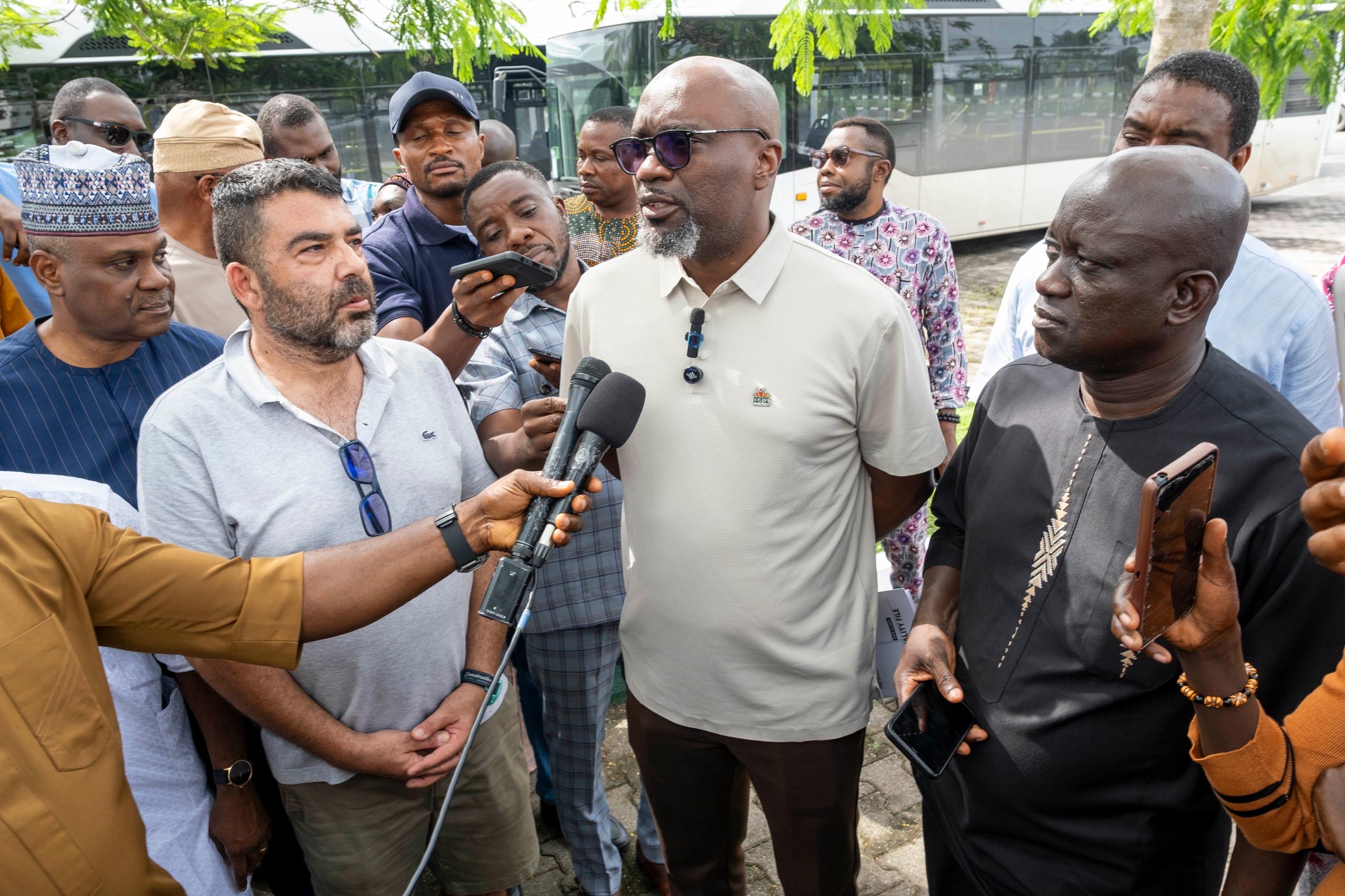
The two neighbouring communities made the declaration on Thursday, October 15, 2026, during a joint world press conference held at their boundary. Community leaders, traditional rulers, youths, women and other stakeholders attended the event, where they affirmed their commitment to peaceful coexistence.
The reconciliation follows a peace agreement reached on December 10, 2025, through the efforts of youths from both communities, who recognised the devastating impact of the dispute and the need to prevent future generations from inheriting the conflict.
The land and boundary dispute between the Amazaaba clan in Eastern Obolo and Ikot Akpan Udo village in Ikot Abasi reportedly dates back to 1925.
However, the disagreement took a devastating turn on August 28, 2008, when a major communal clash erupted, resulting in casualties, the destruction of homes and the displacement of residents.
Families were forced to abandon their homes, while economic activities were disrupted by the violence and the fear of further attacks.
The crisis did not end with the 2008 clash. Further hostilities were reportedly recorded in November 2013, August 2022 and May 2023, prolonging uncertainty and worsening the plight of residents.
The recurring clashes left affected families struggling to rebuild their lives, underscoring the need for a lasting resolution to the dispute.
The latest reconciliation is therefore a significant step towards ending the cycle of violence and creating an atmosphere in which both communities can pursue their interests without fear of renewed hostilities.
Speaking on behalf of the Amazaaba Group of Communities were Etongawaji John and Ikoile Alexander, while Pastor Goodnews Akpan Mark and Aniekebo Ubak represented Ikot Akpan Udo Community.
The representatives described the peace agreement as a new chapter in relations between the communities, stressing the need for dialogue, mutual understanding and collective responsibility to sustain the reconciliation.
They said their decision to embrace peace was driven by the need to rebuild trust, repair damaged relationships and ensure that younger generations were not burdened by the bitterness of the prolonged dispute.
They maintained that disagreements over land and boundaries should not stand in the way of peaceful coexistence, particularly when residents on both sides share common needs, including security, economic opportunities and development.
The communities also called on their sons and daughters, including those living outside the area and in the diaspora, to respect the agreement and support efforts to maintain peace.
Despite the optimism surrounding the agreement, the communities acknowledged that ending hostilities was only the beginning of the recovery process.
They appealed to the Akwa Ibom State Government, the Eastern Obolo and Ikot Abasi Local Government Councils, Oil Firms, relevant government agencies and other stakeholders to support a comprehensive rehabilitation programme for areas affected by the conflict.
Among their requests is an assessment of damaged homes, community facilities, public infrastructure and other properties requiring attention, followed by appropriate intervention based on verified needs.
They also called for assistance to enable displaced residents to return home safely and voluntarily, where conditions permit.
Farmers, fishermen, traders, artisans and other residents whose livelihoods were disrupted by the crisis were identified as needing support to resume their economic activities.
The communities further appealed for youth empowerment programmes, vocational training, skills acquisition initiatives and employment opportunities, noting that such interventions would help young people become economically productive and reduce the risk of renewed hostilities.
They also requested humanitarian assistance for vulnerable households and the rehabilitation of affected roads, water facilities, schools, health centres and other essential public infrastructure.
According to the representatives, addressing these needs would help restore normalcy, rebuild confidence in the peace process and enable residents to return to their daily activities.
Beyond government intervention, the communities called on international oil companies operating in the area, development partners, humanitarian organisations, corporate bodies, philanthropists and other well-meaning individuals to support efforts to rebuild affected communities.
They said the assistance would help restore livelihoods, improve access to essential services and create better conditions for sustainable development.
Measures to Prevent Renewed Violence
As part of their commitment to lasting peace, the communities pledged to resolve future disagreements through dialogue and lawful means rather than confrontation.
They promised to refrain from violence, threats, intimidation, provocation and retaliation, while respecting the lives, property, dignity and lawful rights of residents on both sides.
They also undertook to discourage rumours, misinformation and inflammatory statements capable of undermining the reconciliation.
To strengthen the process, the communities advocated the establishment or strengthening of a Joint Peace and Reconciliation Committee to monitor the implementation of the agreement, facilitate dialogue and address emerging concerns before they escalate.
They also called for regular communication between recognised representatives of both communities, with the involvement of traditional institutions, youth organisations, women’s groups, religious leaders and security agencies.
The representatives stressed that sustaining peace required patience, discipline, tolerance and a willingness to resolve differences through peaceful engagement.
In a formal appeal, the communities urged the Akwa Ibom State Government to acknowledge the December 10, 2025 peace agreement and engage their representatives on measures to ensure its effective implementation.
They requested the constitution of an appropriate assessment team to identify rehabilitation needs, verify humanitarian challenges and recommend necessary infrastructure and recovery interventions.
They also called for support for reconciliation meetings, youth empowerment, economic recovery initiatives and development programmes aimed at improving living conditions in the affected areas.
The communities urged the media to continue providing responsible and balanced coverage of the reconciliation process, noting that public awareness and constructive engagement would help sustain the progress made.
They expressed hope that sustained peace, timely government intervention and targeted development programmes would rebuild trust, revive economic activities and improve living conditions for residents.
The representatives also called on relevant authorities and stakeholders to support their recovery efforts, stressing that their ultimate goal was to ensure that future generations inherited peace, unity and development rather than hostility, displacement and destruction.
The peace press conference had traditional rulers, youth and women leaders from both communities in attendance, with a strong commitment to pursuing peaceful coexistence and resolving future disputes through dialogue rather than violence.